

Blog
Style ideas, news and useful information from MODISH.BG.
Пет работни дни с осем дрехи: малък есенен гардероб
Осем дрехи, пет работни комбинации и ясна идея как да ги редувате. Практичен есенен план с панталон, дънки, плетиво и сако, който се адаптира към вашия дрескод.

How to choose a plus-size women's blouse based on the bust, sleeves and length
For a plus-size blouse, sizing is not determined by the bust alone. Learn how to check the shoulders, armholes, sleeves, neckline and hem, and how to distinguish a well-draping relaxed style from a garment that is simply too large.

Women's summer trousers: how to choose fabric, fit and the right length
Summer comfort is not determined solely by the name of the fabric. Compare linen, cotton, viscose and blended fabrics, choose the right amount of room in the trouser leg, and check the sheerness and hem with the shoes you will actually wear.

Women's trousers with an elasticated waist: how to ensure a flattering, elegant look
Elastic can provide real comfort, but only when the width, range and waist height are right. This guide explains how to check the construction and create a polished look without the feel of loungewear.

How to choose women's trousers according to body shape, waist and length
Cut is only one part of the choice. Find out how to assess the waist, hips, leg, fabric and length so that trousers sit securely, allow movement and pair easily with the clothes you already wear.

How to take accurate clothing measurements when shopping online
Finding the right size starts with accurate measuring, but body measurements and garment measurements are not the same. Follow a clear sequence for bust, waist, hips, shoulders, sleeves and lengths, and compare with a garment that fits you comfortably.

Pleated dress: how to choose pleats, length and styling combinations
Sunray pleats are pleats that open out radially and create movement. Learn how to check the starting point and density of the pleats, how length changes proportions, and which shoes, blazers and accessories preserve the lightness of the silhouette.

Bouclé blazer: how to choose, style and wear it for different occasions
Bouclé describes a textured surface rather than a single fibre composition. Learn how to assess the surface, lining and construction of a blazer, and how to wear it with ease with denim, tailored trousers, a skirt or a dress.

New at MODISH
New arrivals
Explore current styles from the new MODISH selection.
-29%

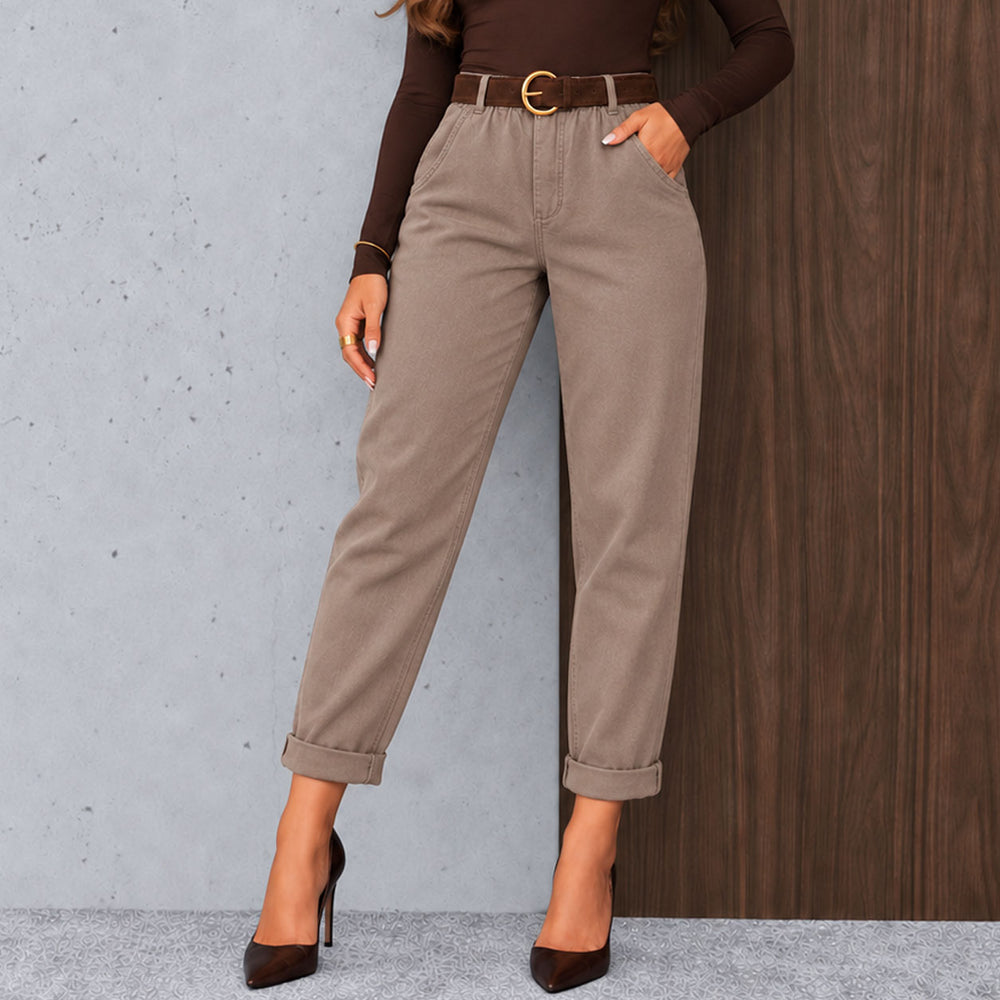
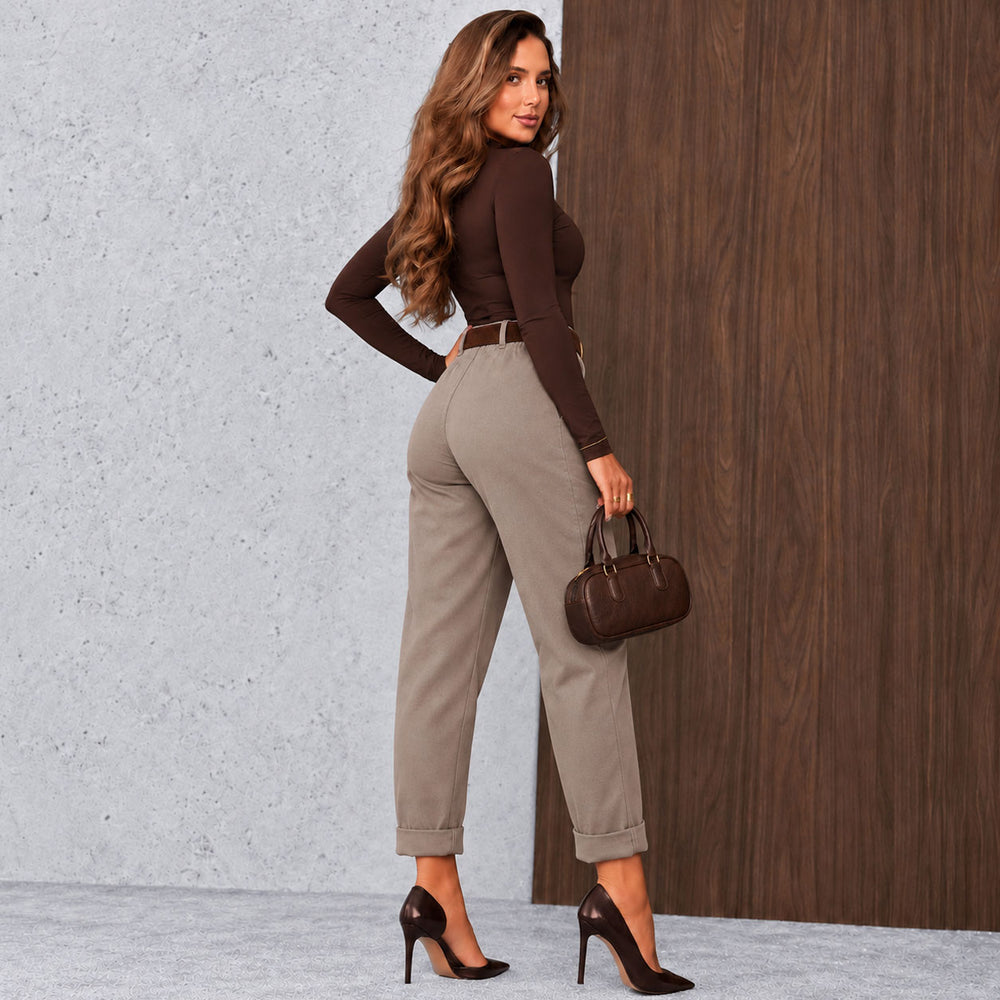
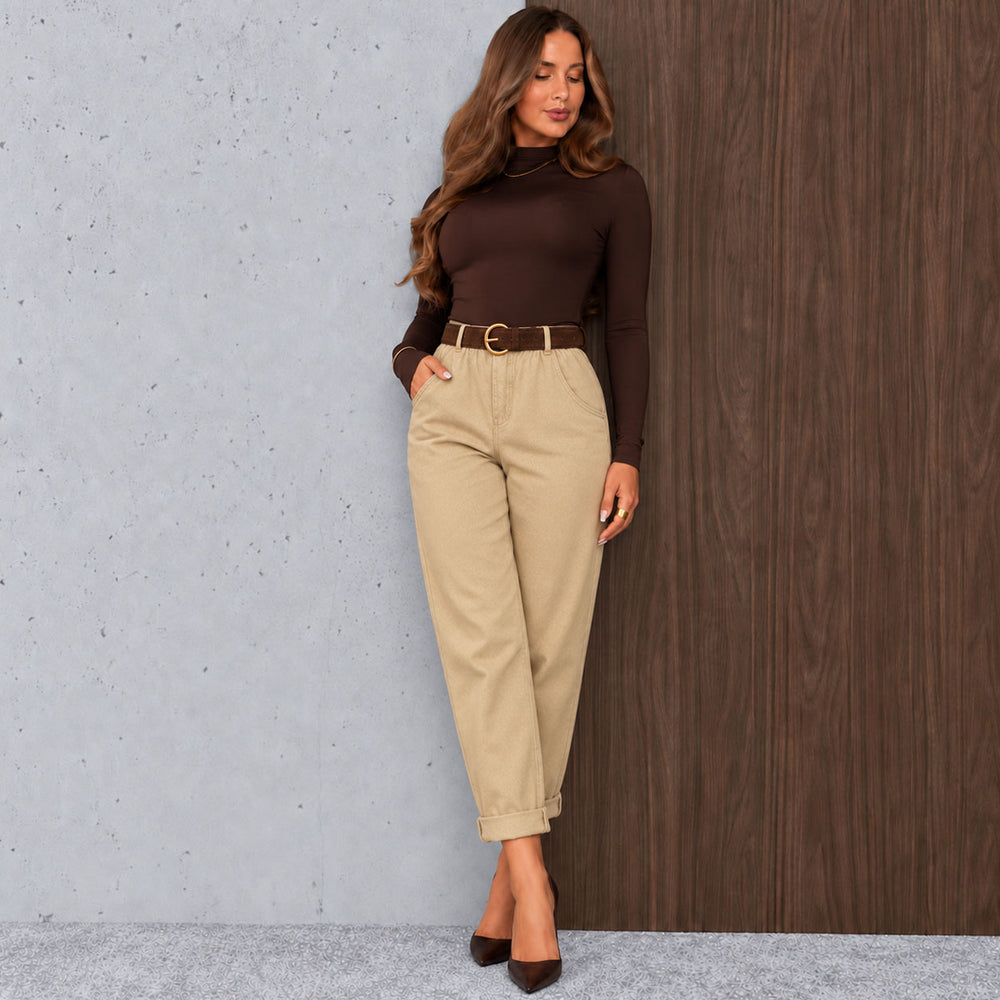


Cappuccino
 -29%
Dark green
 -29%
Black
 -29%
Light Beige
 -29%
Navy blue
 -29%
+3
€29,99
€42,84
Unit price
per
Available sizes:
One size / Fits XL,2XL,3XL

€29,99
€42,84
Unit price
per
Available sizes:
One size / Fits XL,2XL,3XL

€29,99
€42,84
Unit price
per
Available sizes:
One size / Fits XL,2XL,3XL

€29,99
€42,84
Unit price
per
Available sizes:
One size / Fits XL,2XL,3XL

€29,99
€42,84
Unit price
per
Available sizes:
One size / Fits XL,2XL,3XL
Available sizes:
One size / Fits XL,2XL,3XL
In stock
-30%

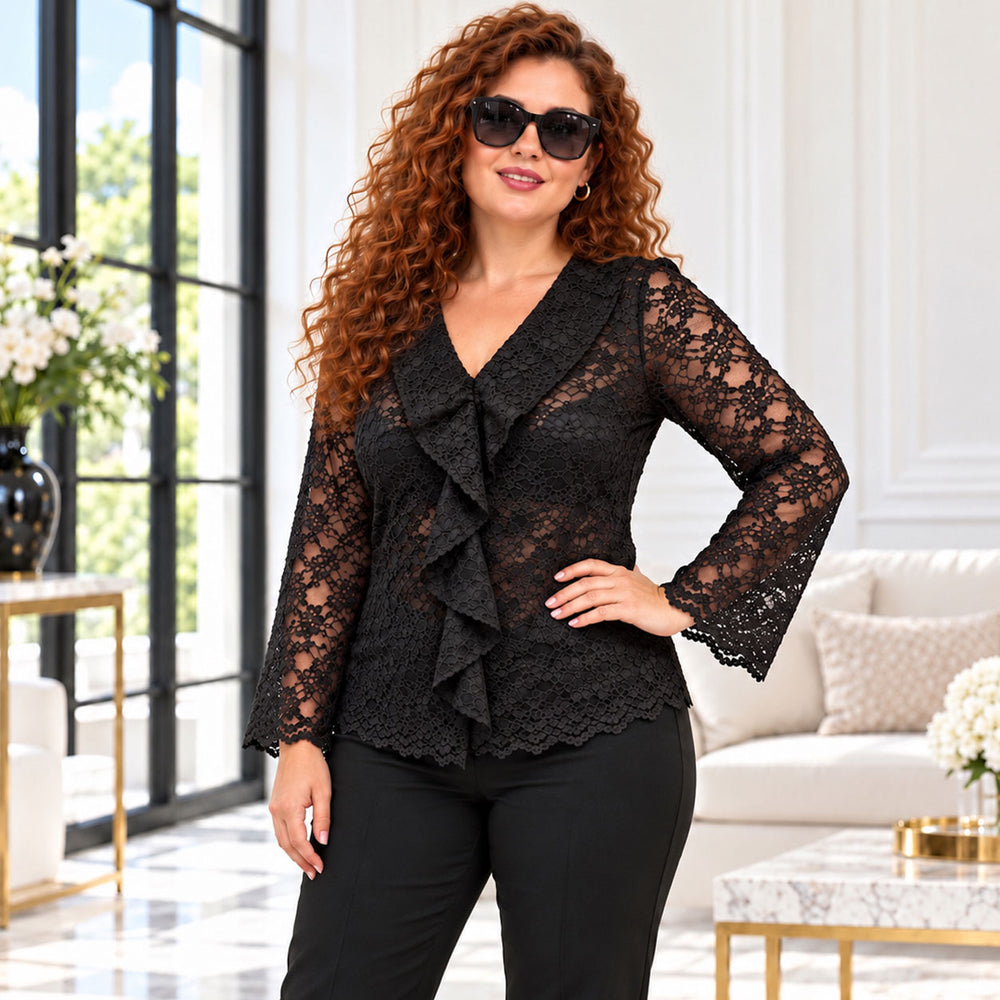
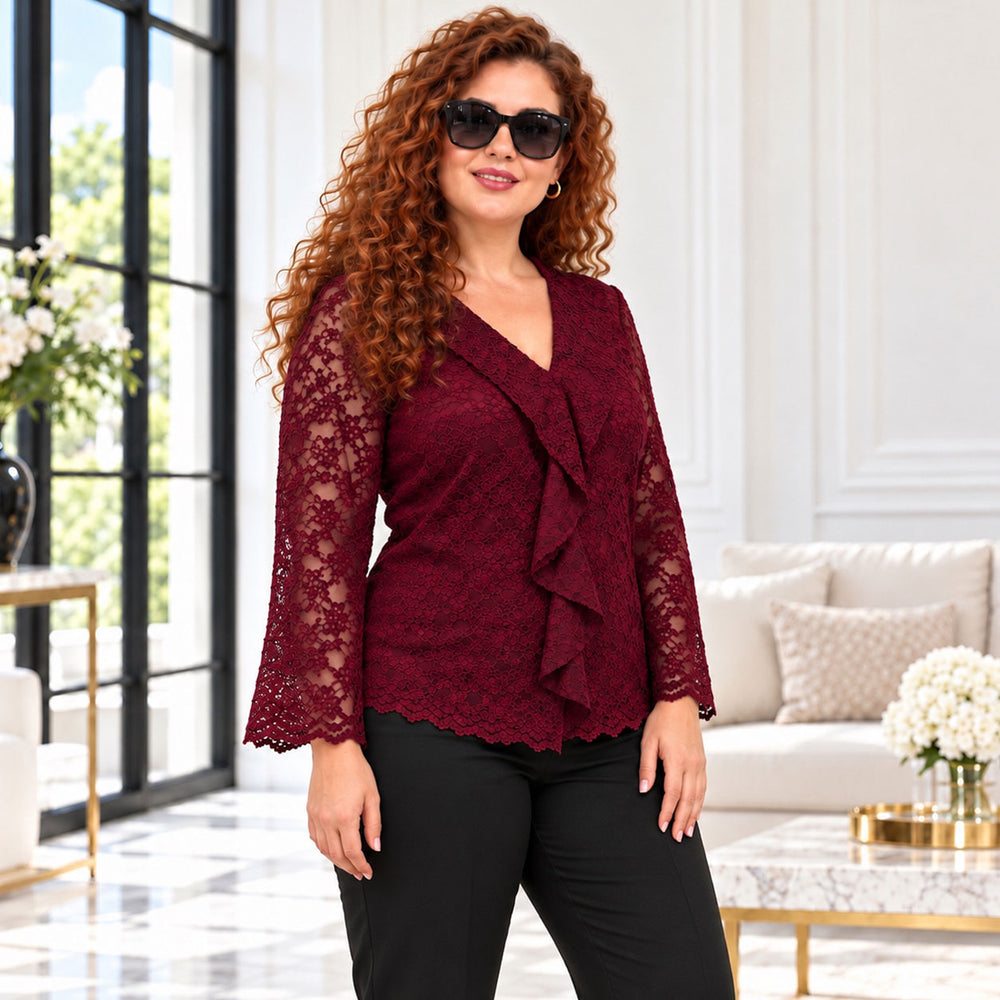


Черен
 -30%
Бордо
 -30%
€25,99
€37,13
Unit price
per
Available sizes:
Ун. / Обхваща L,XL,XXL

€25,99
€37,13
Unit price
per
Available sizes:
Ун. / Обхваща L,XL,XXL
Available sizes:
Ун. / Обхваща L,XL,XXL
In stock

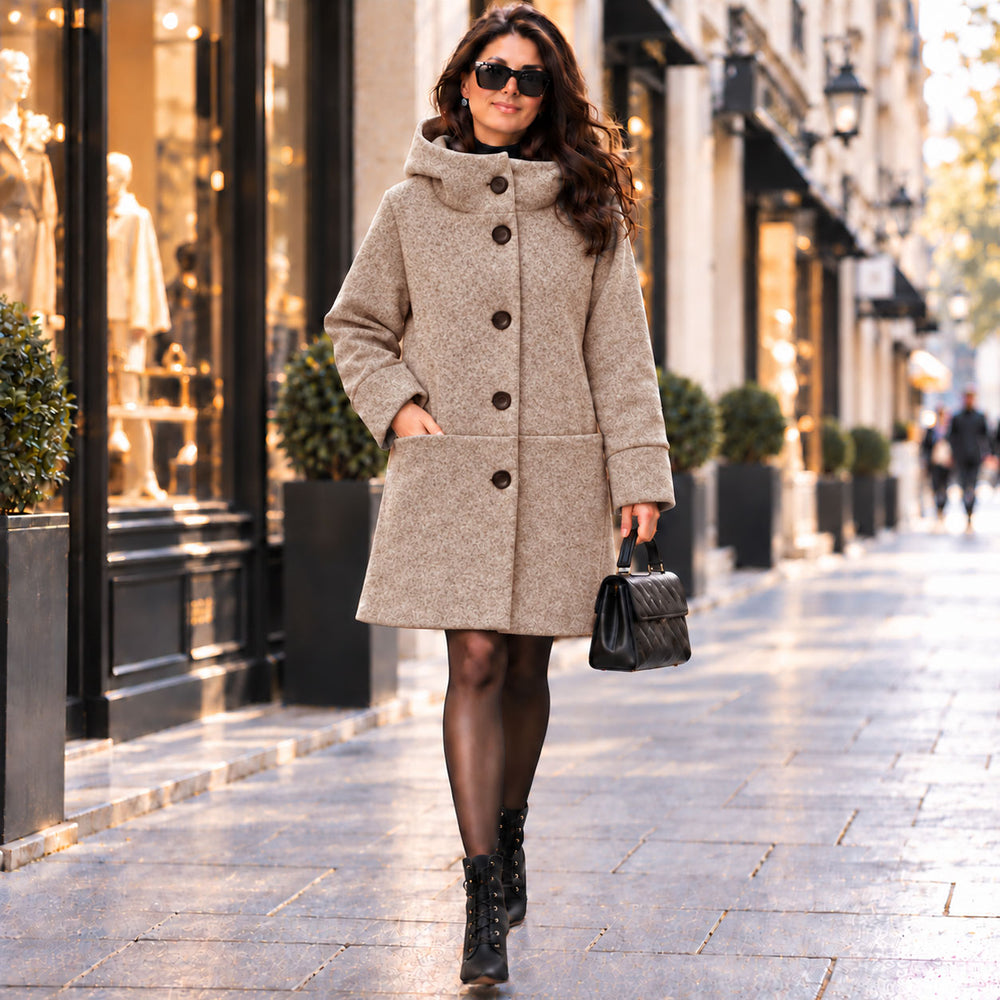
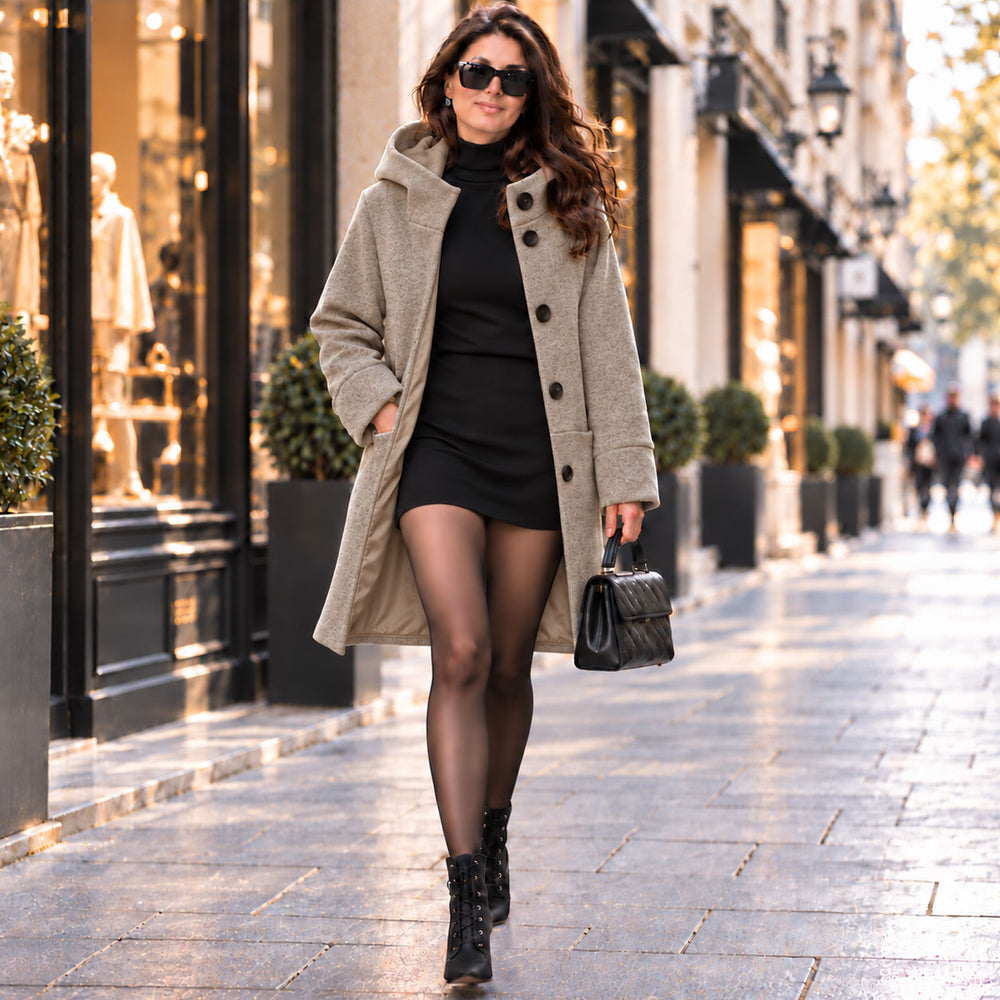


-30%

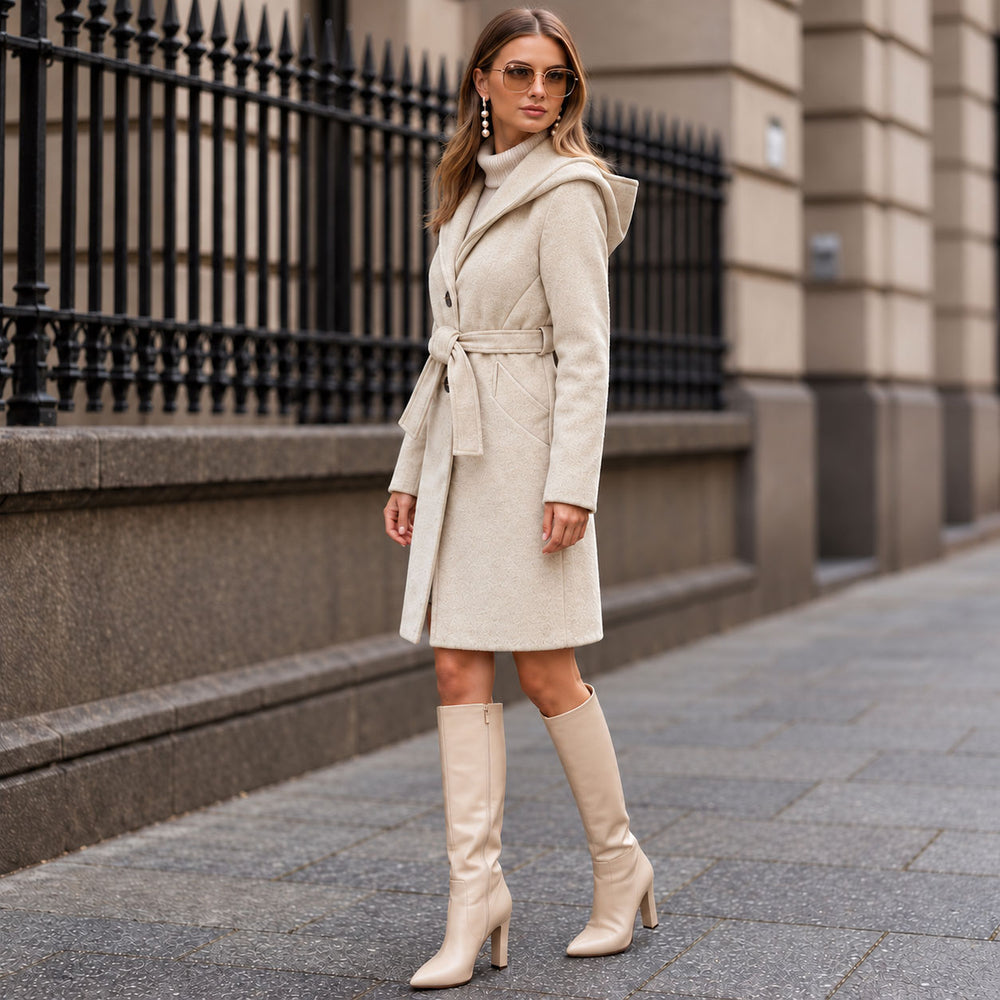
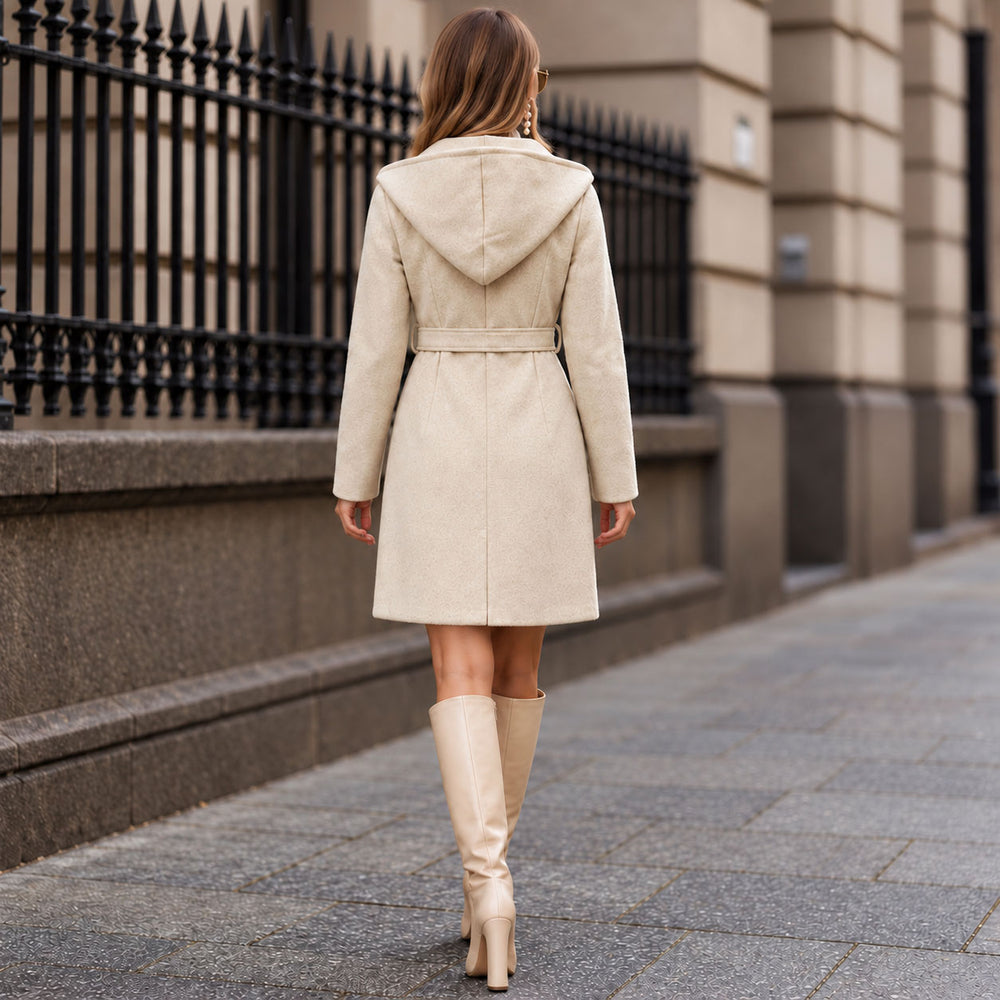


Светло бежов
 -30%
Бордо
 -30%
Черен
 -30%
Тъмнокафяв
 -30%
€55,99
€79,99
Unit price
per

€55,99
€79,99
Unit price
per

€55,99
€79,99
Unit price
per

€55,99
€79,99
Unit price
per
In stock
-30%

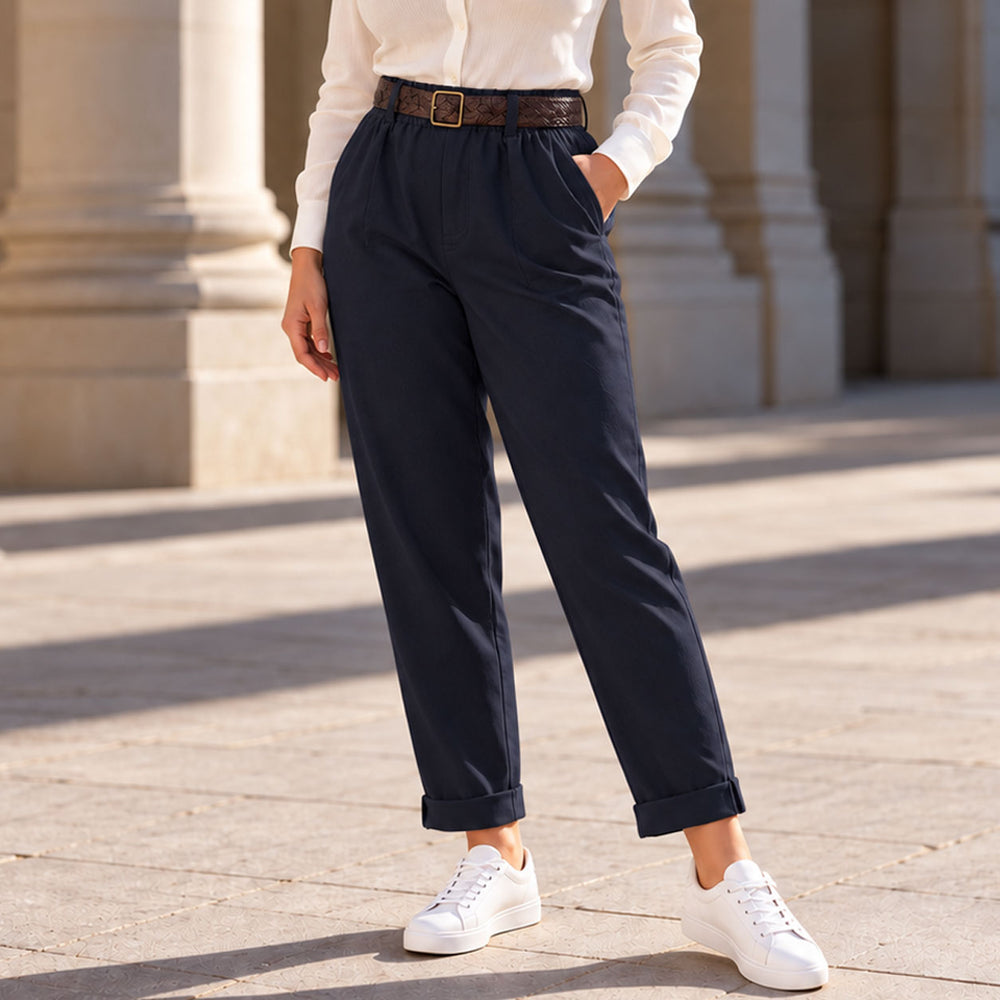
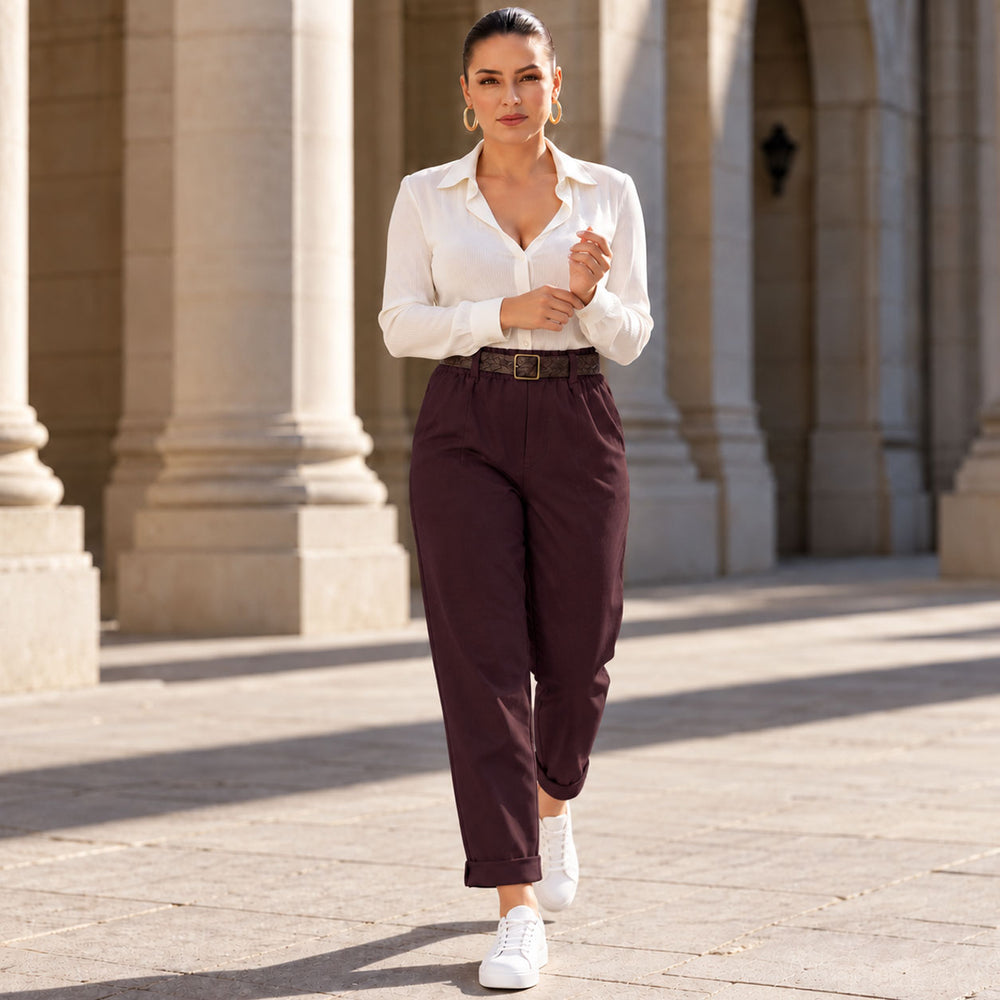


Тъмносин
 -30%
Капучино
 -30%
Черен
 -30%
Патладжан
 -30%
Тъмнокафяв
 -30%
€32,99
€47,13
Unit price
per
Available sizes:
Ун. / Обхваща XL,2XL,3XL

€32,99
€47,13
Unit price
per
Available sizes:
Ун. / Обхваща XL,2XL,3XL

€32,99
€47,13
Unit price
per
Available sizes:
Ун. / Обхваща XL,2XL,3XL

€32,99
€47,13
Unit price
per
Available sizes:
Ун. / Обхваща XL,2XL,3XL

€32,99
€47,13
Unit price
per
Available sizes:
Ун. / Обхваща XL,2XL,3XL
Available sizes:
Ун. / Обхваща XL,2XL,3XL
In stock
-30%

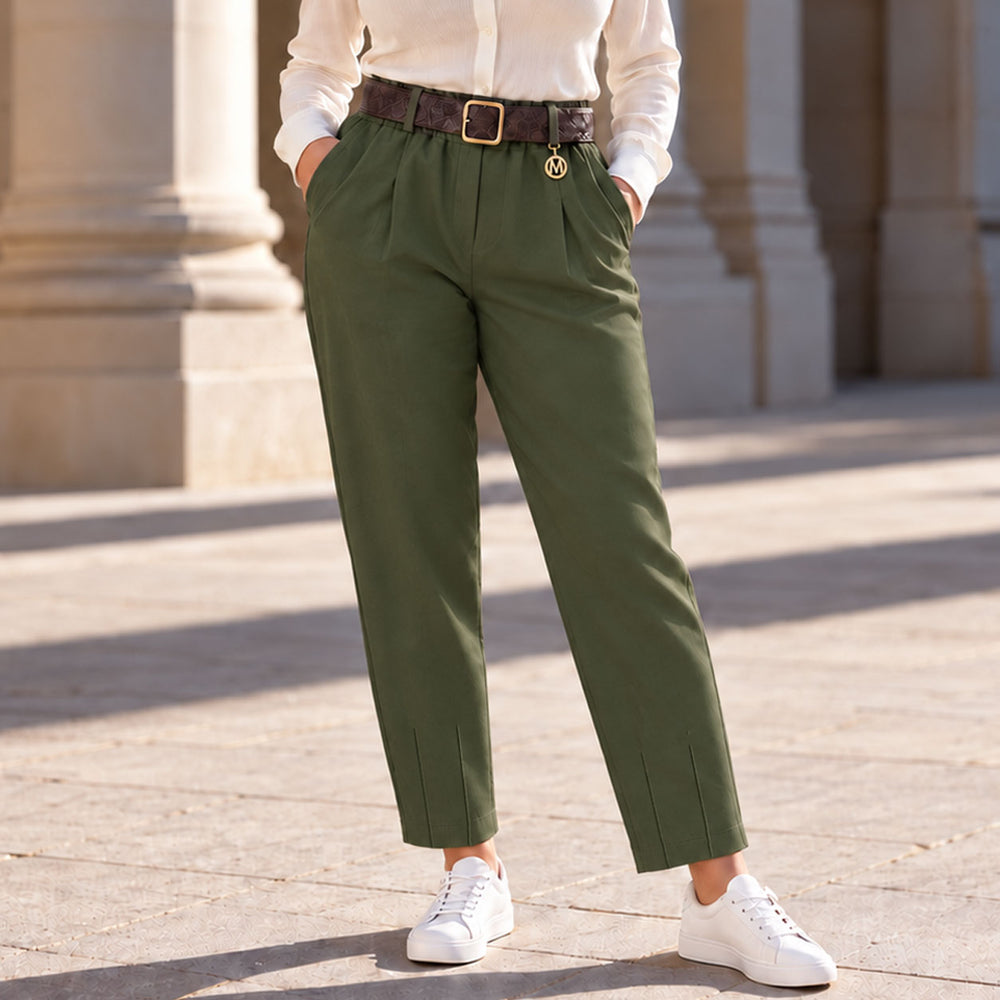
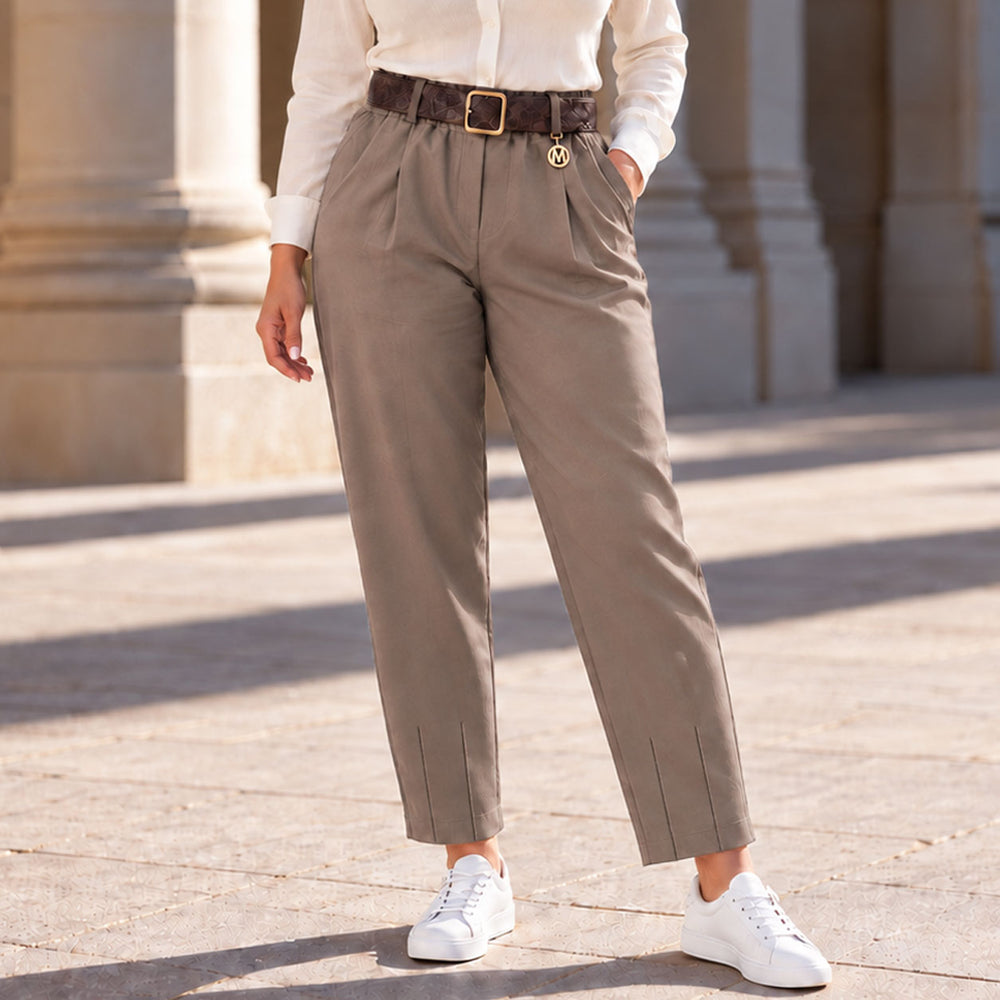


Тъмно зелен
 -30%
Черен
 -30%
Капучино
 -30%
Тъмнокафяв
 -30%
Патладжан
 -30%
€32,99
€47,13
Unit price
per
Available sizes:
Ун. / Обхваща XL,2XL,3XL

€32,99
€47,13
Unit price
per
Available sizes:
Ун. / Обхваща XL,2XL,3XL

€32,99
€47,13
Unit price
per
Available sizes:
Ун. / Обхваща XL,2XL,3XL

€32,99
€47,13
Unit price
per
Available sizes:
Ун. / Обхваща XL,2XL,3XL

€32,99
€47,13
Unit price
per
Available sizes:
Ун. / Обхваща XL,2XL,3XL
Available sizes:
Ун. / Обхваща XL,2XL,3XL
In stock
-29%

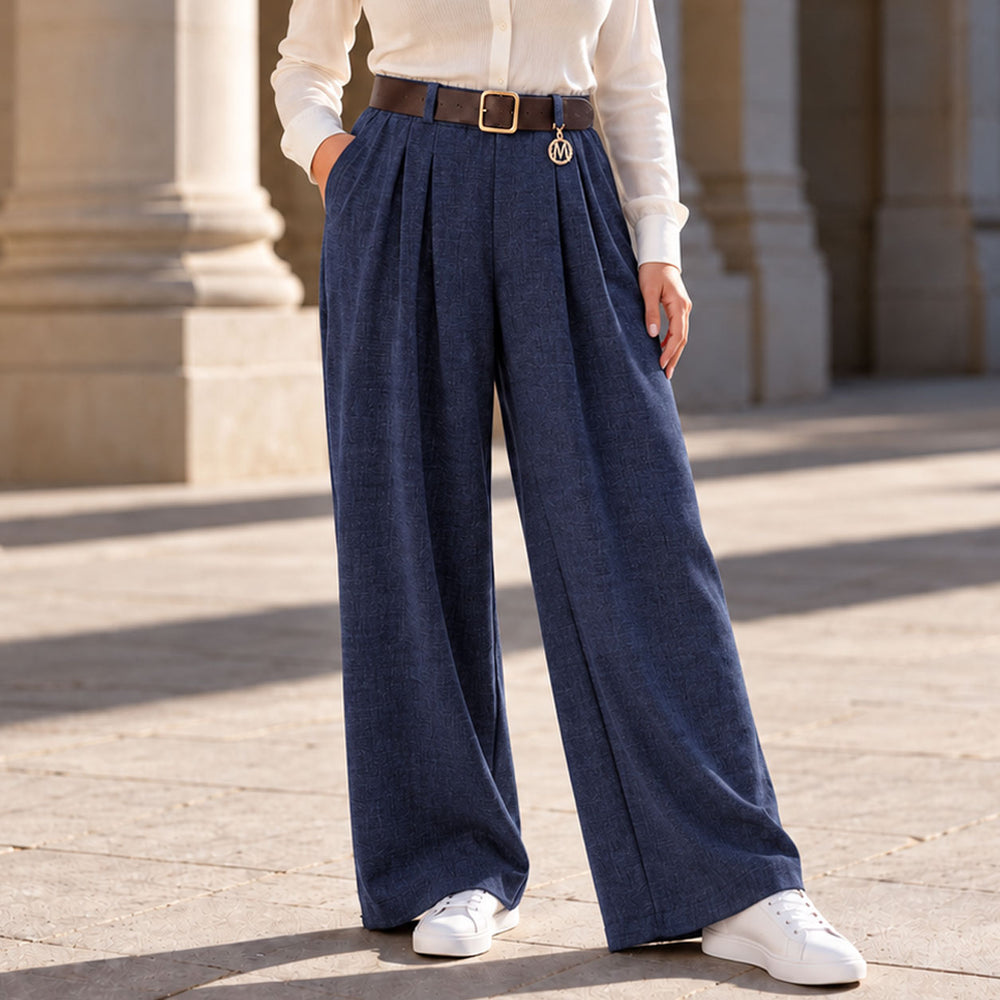
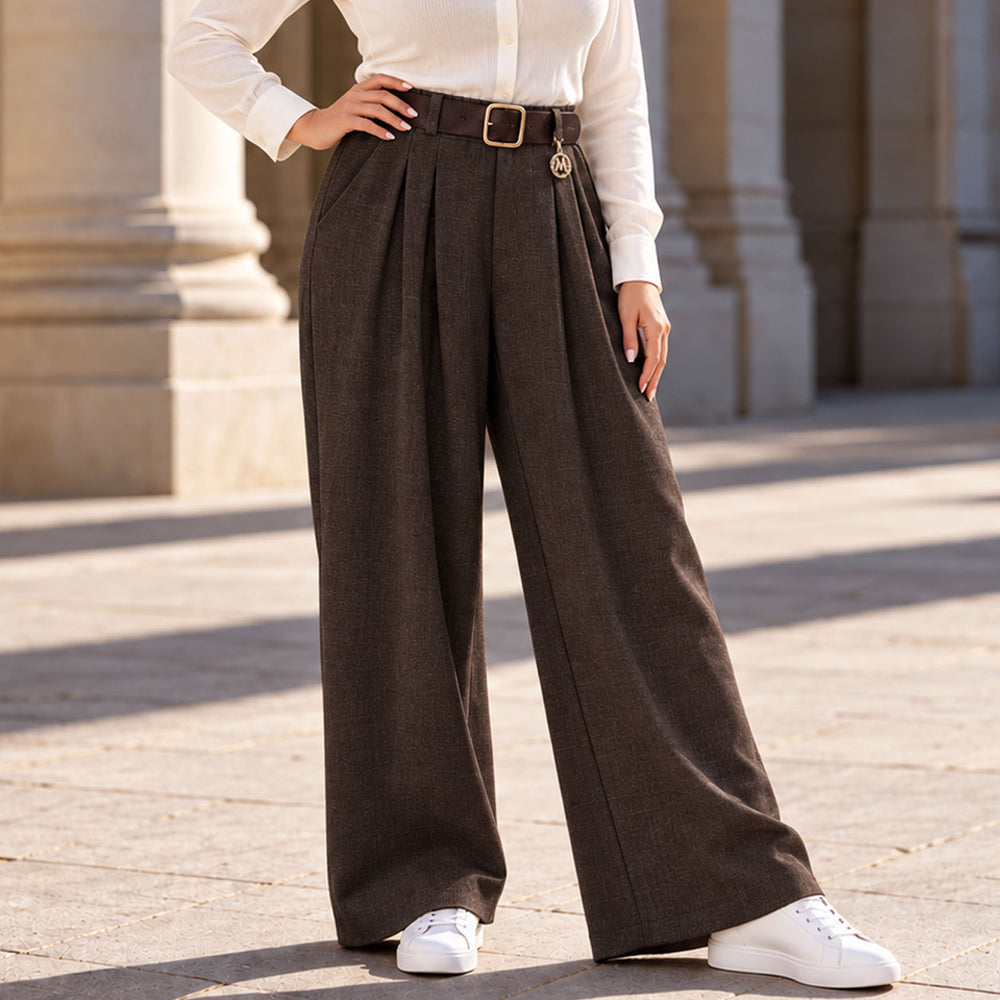


Тъмен дънково син
 -29%
Тъмносив
 -29%
Светло бежов
 -29%
Тъмнокафяв
 -29%
€37,99
€54,27
Unit price
per
Available sizes:
Ун. / Обхваща M,L,XL

€37,99
€54,27
Unit price
per
Available sizes:
Ун. / Обхваща M,L,XL

€37,99
€54,27
Unit price
per
Available sizes:
Ун. / Обхваща M,L,XL

€37,99
€54,27
Unit price
per
Available sizes:
Ун. / Обхваща M,L,XL
Available sizes:
Ун. / Обхваща M,L,XL
In stock
-30%

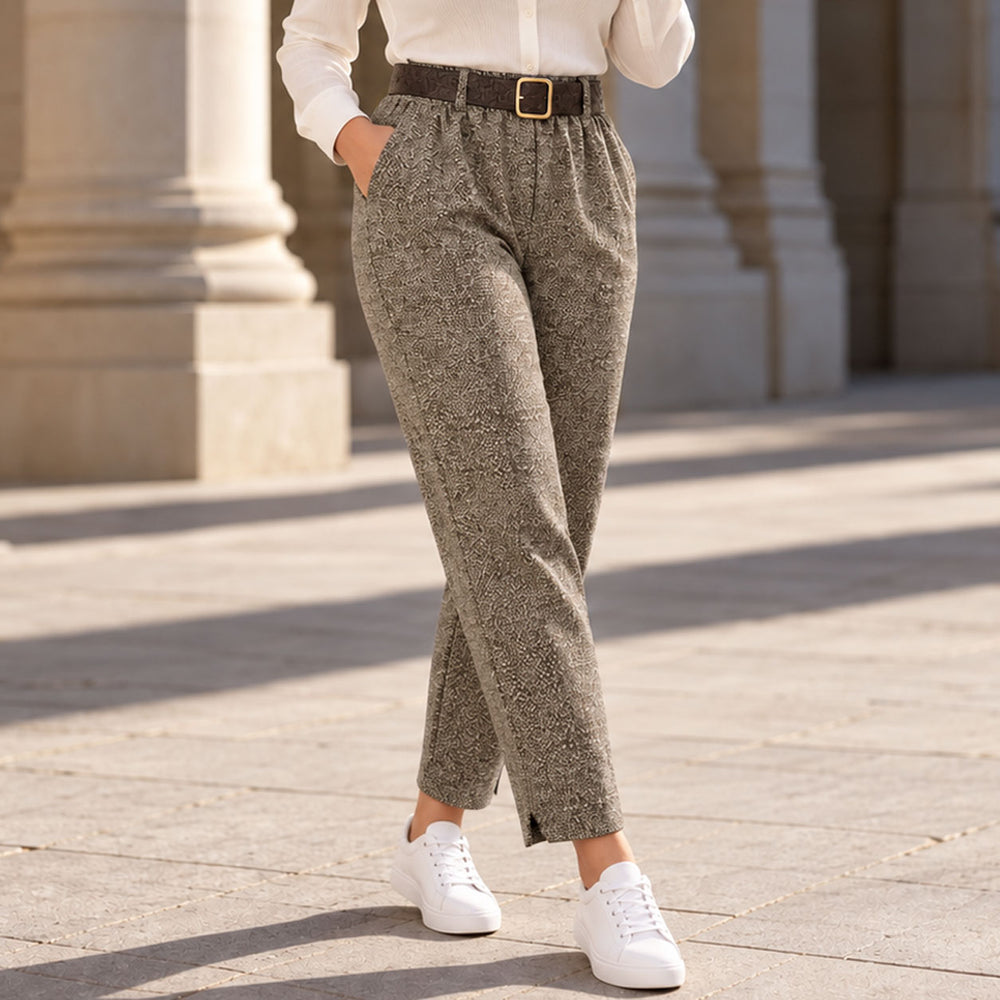
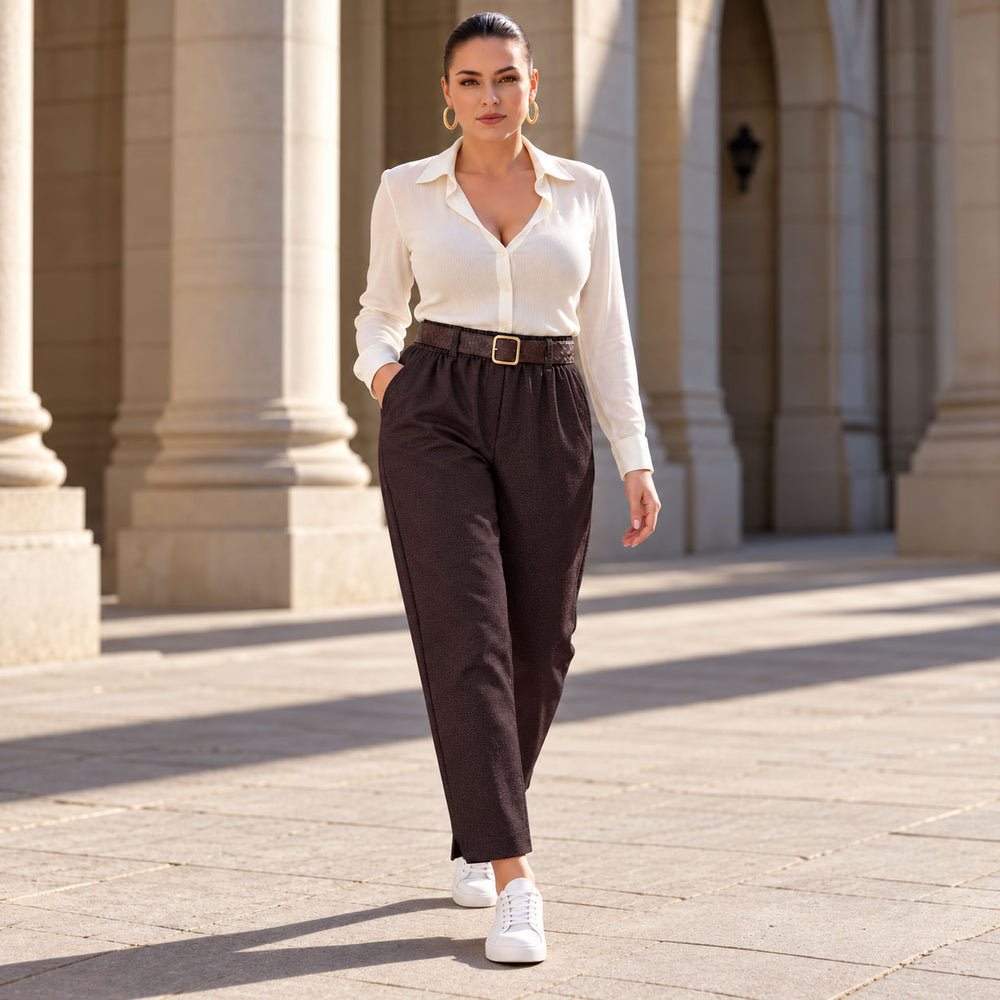


Капучино
 -30%
Черен
 -30%
Патладжан
 -30%
Тъмнокафяв
 -30%
€32,99
€47,13
Unit price
per
Available sizes:
Ун. / Обхваща L,XL,XXL

€32,99
€47,13
Unit price
per
Available sizes:
Ун. / Обхваща L,XL,XXL

€32,99
€47,13
Unit price
per
Available sizes:
Ун. / Обхваща L,XL,XXL

€32,99
€47,13
Unit price
per
Available sizes:
Ун. / Обхваща L,XL,XXL
Available sizes:
Ун. / Обхваща L,XL,XXL
In stock
-30%

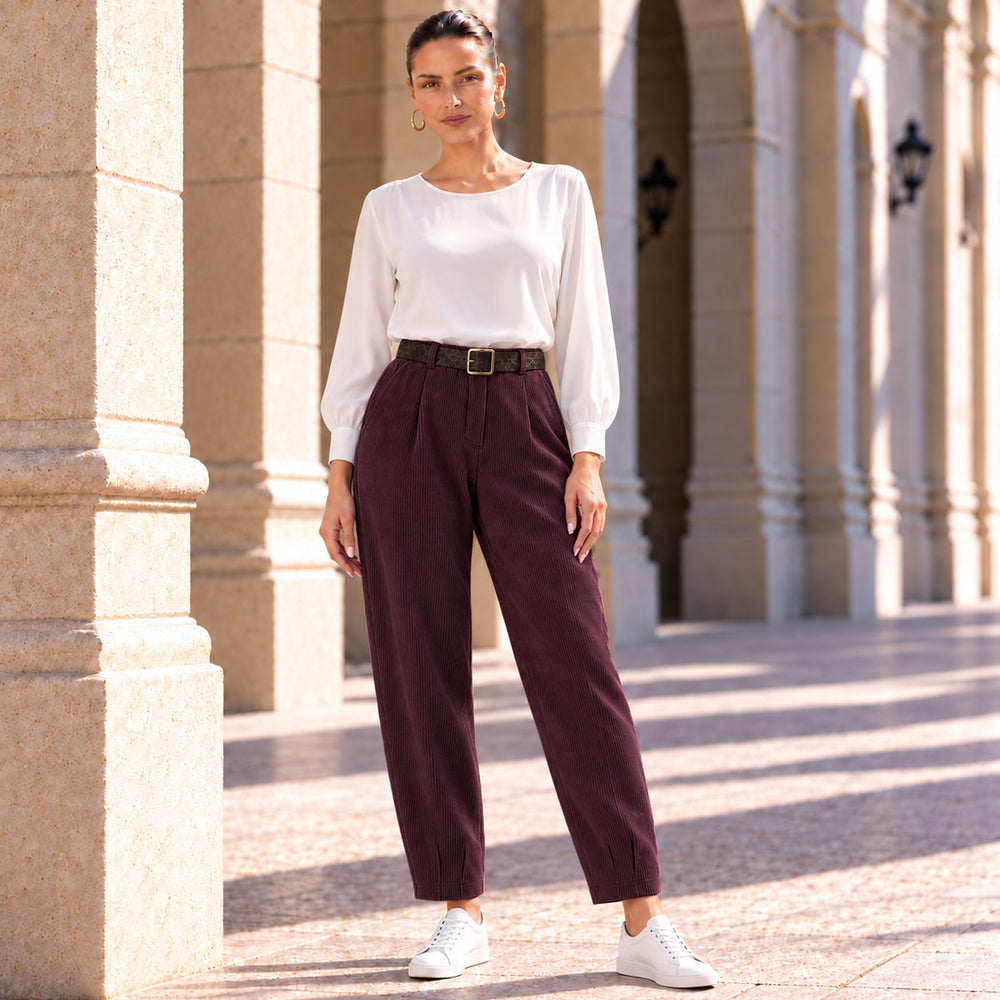
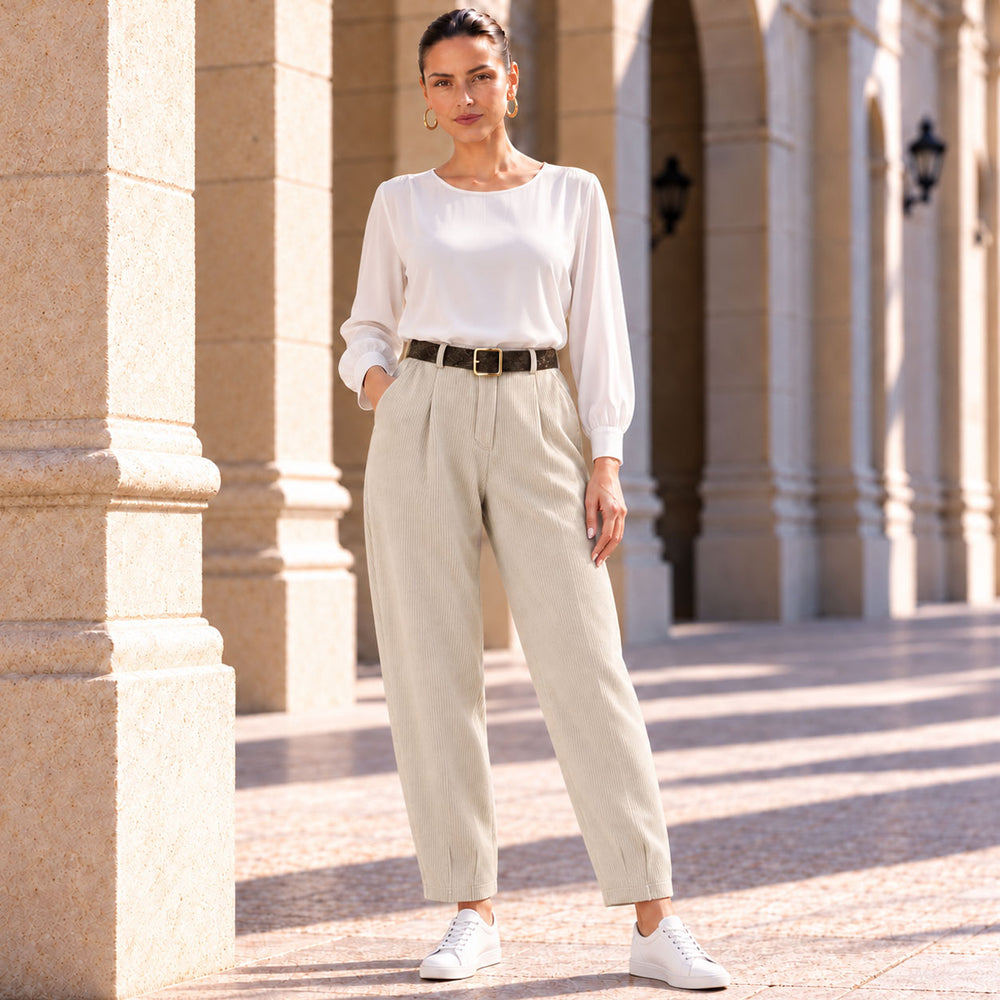


Патладжан
 -30%
Черен
 -30%
Светло бежов
 -30%
Тъмнокафяв
 -30%
€32,99
€47,13
Unit price
per
Available sizes:
L/XL

€32,99
€47,13
Unit price
per
Available sizes:
L/XL

€32,99
€47,13
Unit price
per
Available sizes:
L/XL

€32,99
€47,13
Unit price
per
Available sizes:
L/XL
Available sizes:
L/XL
In stock
-29%

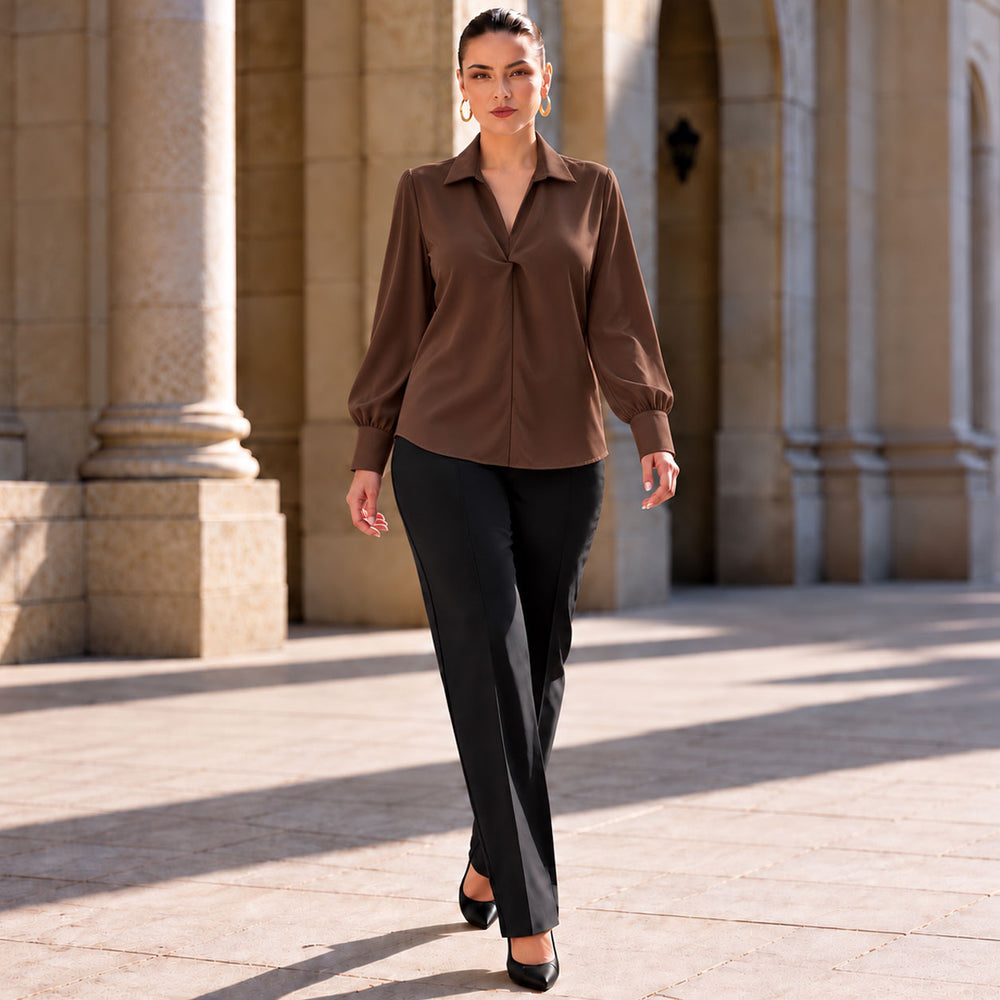


Тъмно кафяв
 -29%
Черен
 -29%
€29,99
€42,84
Unit price
per
Available sizes:
Ун. / Обхваща 2XL,3XL,4XL

€29,99
€42,84
Unit price
per
Available sizes:
Ун. / Обхваща 2XL,3XL,4XL
Available sizes:
Ун. / Обхваща 2XL,3XL,4XL
In stock
-30%



Available sizes:
Ун. / Обхваща 2XL,3XL,4XL
In stock
-30%



Available sizes:
Ун. / Обхваща 2XL,3XL,4XL
In stock
-29%



Бял
 -29%
Черен
 -29%
Патладжан
 -29%
Тъмнокафяв
 -29%
€29,99
€42,84
Unit price
per
Available sizes:
Ун. / Обхваща 4XL,5XL,6XL

€29,99
€42,84
Unit price
per
Available sizes:
Ун. / Обхваща 4XL,5XL,6XL

€29,99
€42,84
Unit price
per
Available sizes:
Ун. / Обхваща 4XL,5XL,6XL

€29,99
€42,84
Unit price
per
Available sizes:
Ун. / Обхваща 4XL,5XL,6XL
Available sizes:
Ун. / Обхваща 4XL,5XL,6XL
In stock
-30%

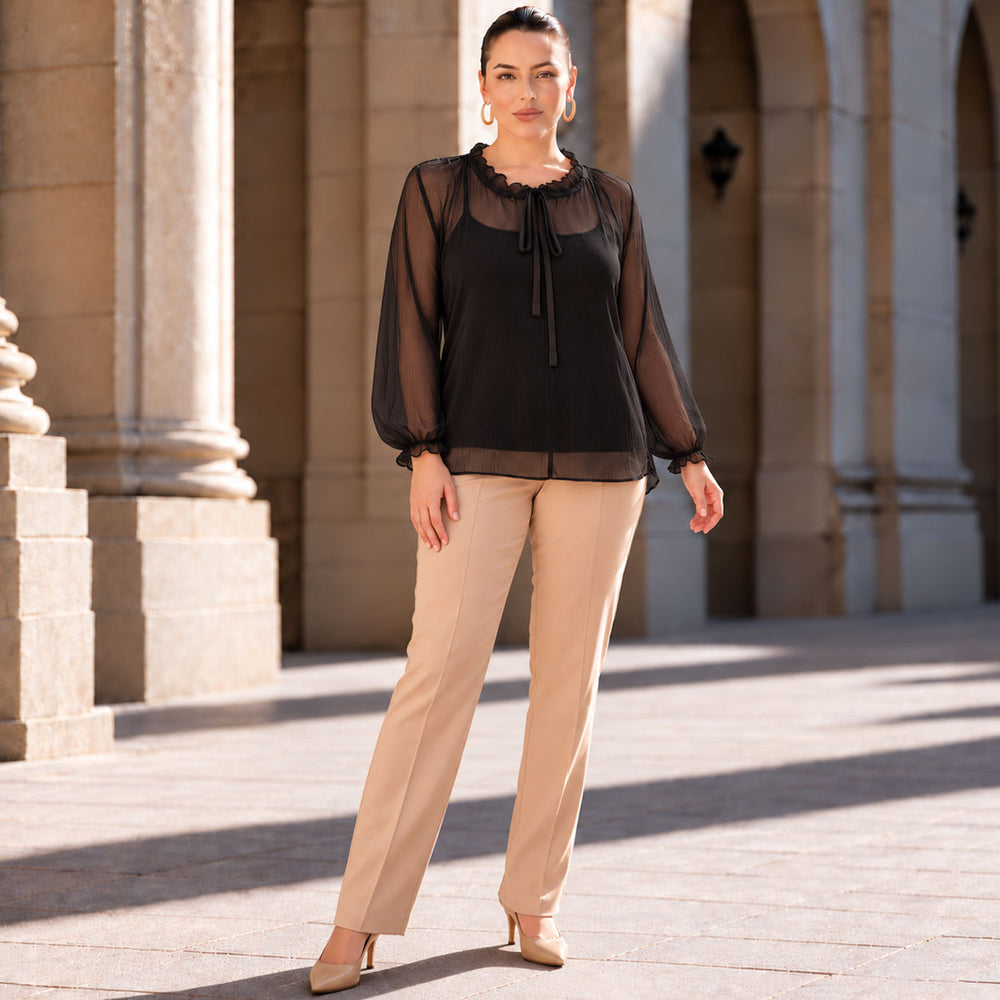
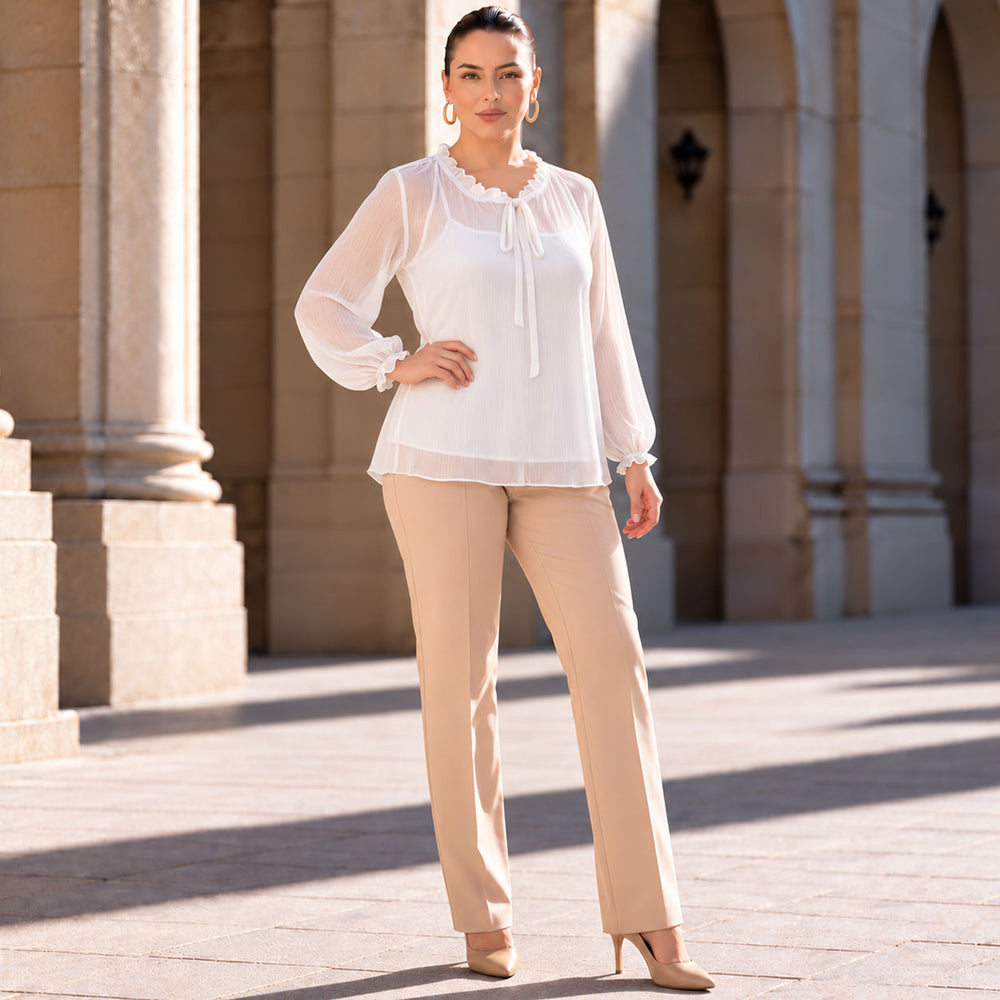


Черен
 -30%
Бял
 -30%
Тъмнокафяв
 -30%
€33,99
€48,56
Unit price
per
Available sizes:
Ун. / Обхваща 4XL,5XL,6XL

€33,99
€48,56
Unit price
per
Available sizes:
Ун. / Обхваща 4XL,5XL,6XL

€33,99
€48,56
Unit price
per
Available sizes:
Ун. / Обхваща 4XL,5XL,6XL
Available sizes:
Ун. / Обхваща 4XL,5XL,6XL
In stock
-29%

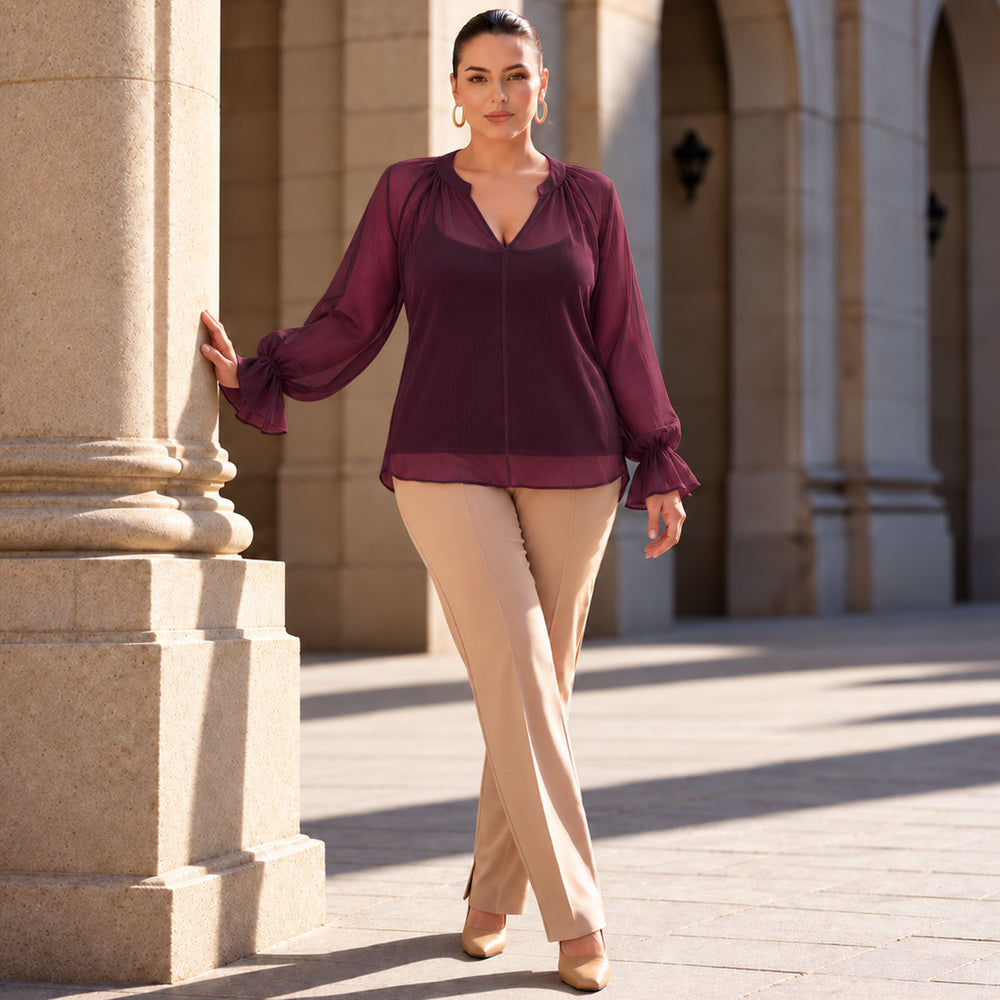
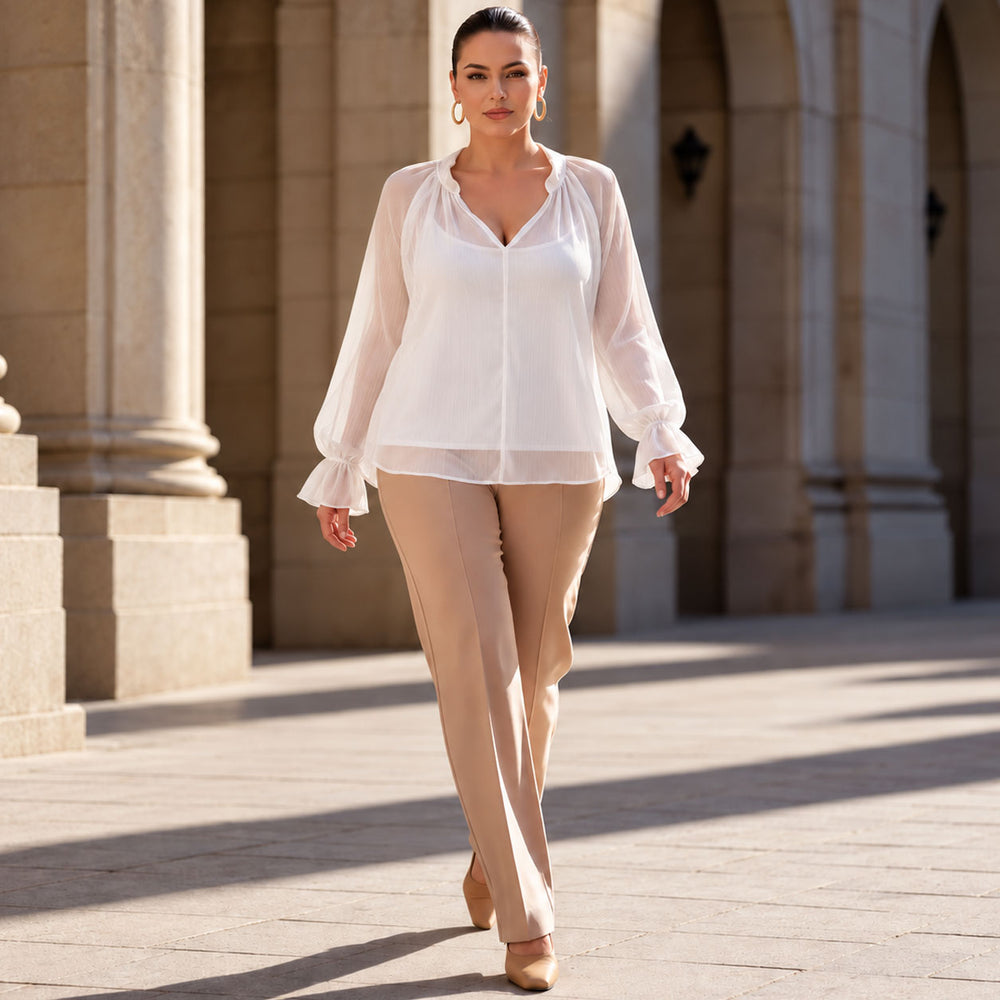


Патладжан
 -29%
Бял
 -29%
Черен
 -29%
Тъмнокафяв
 -29%
€29,99
€42,84
Unit price
per
Available sizes:
Ун. / Обхваща 3XL,4XL,5XL

€29,99
€42,84
Unit price
per
Available sizes:
Ун. / Обхваща 3XL,4XL,5XL

€29,99
€42,84
Unit price
per
Available sizes:
Ун. / Обхваща 3XL,4XL,5XL

€29,99
€42,84
Unit price
per
Available sizes:
Ун. / Обхваща 3XL,4XL,5XL
Available sizes:
Ун. / Обхваща 3XL,4XL,5XL
In stock


